Shopping Cart
The Onomasticon By Eusebius Of Caesarea
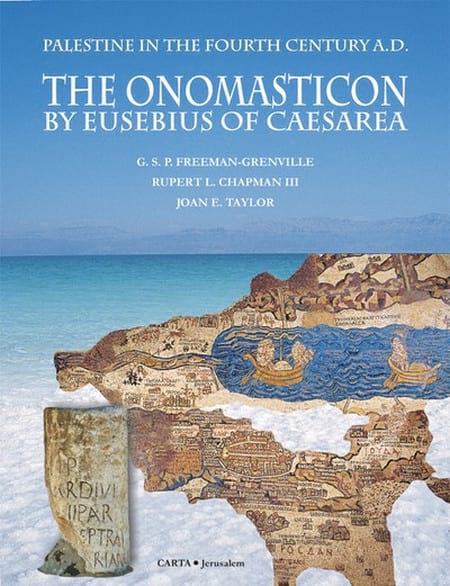
By: G.S.P. Freeman-Grenville, Rupert L. Chapman III, Joan E. Taylor For archaeologists specializing in the Levant, the Onomasticon of Eusebius Pamphili, Bishop of Caesarea in Palestine (c. A.D. 260–339), has long been considered to be one of the most useful works extant from antiquity. Eusebius endeavored to list every place mentioned in the Bible and locate each one in the lands he knew. These sites have become the goal of Christian pilgrims ever since. Carta has now made Eusebius’ valuable material available for the first time to laymen and students in English, presented in parallel with Jerome’s Latin rendering. This important geographical witness will be available to more scholars and Bible students. The endeavor to “put the Bible on the map” will be advanced and made possible for a wider range of enthusiasts. Both the Greek and Latin texts will be at hand for the English reader and scholar in this new translation of the Onomasticon. "The maps are excellent." "This publication is very good news for scholars and students of ancient Palestine, its history and geography." Language: English Hard Cover, 224 pages, 8½ x11 in. (21 x27.5 cm) Featuring: Detailed maps of 4th-century Palestine Annotated Index Two Excurses dealing with the precise ways in which Eusebius defines locations ISBN: 965-220-500-1 Weight: 1.14kg (38.54 oz)
$54.00
More Products
-
Jerusalem In The Year 30 A.D.
$15.95 Add to cartSECOND REVISED EDITION
Although some of the landmarks of Jerusalem of the first century A.D. remain tantalizingly elusive, we have learned enough of its make-up to allow us to open a door into this historical world. -
Understanding Hezekiah Of Judah
$14.95 Add to cartA new thought–provoking exposition of the political and religious developments in the kingdom of Judah during the reign of King Hezekiah, based on a close reading of biblical and extra-biblical sources, and the insights of associated archaeological finds. **** NEW! ****
Reviews
There are no reviews yet.